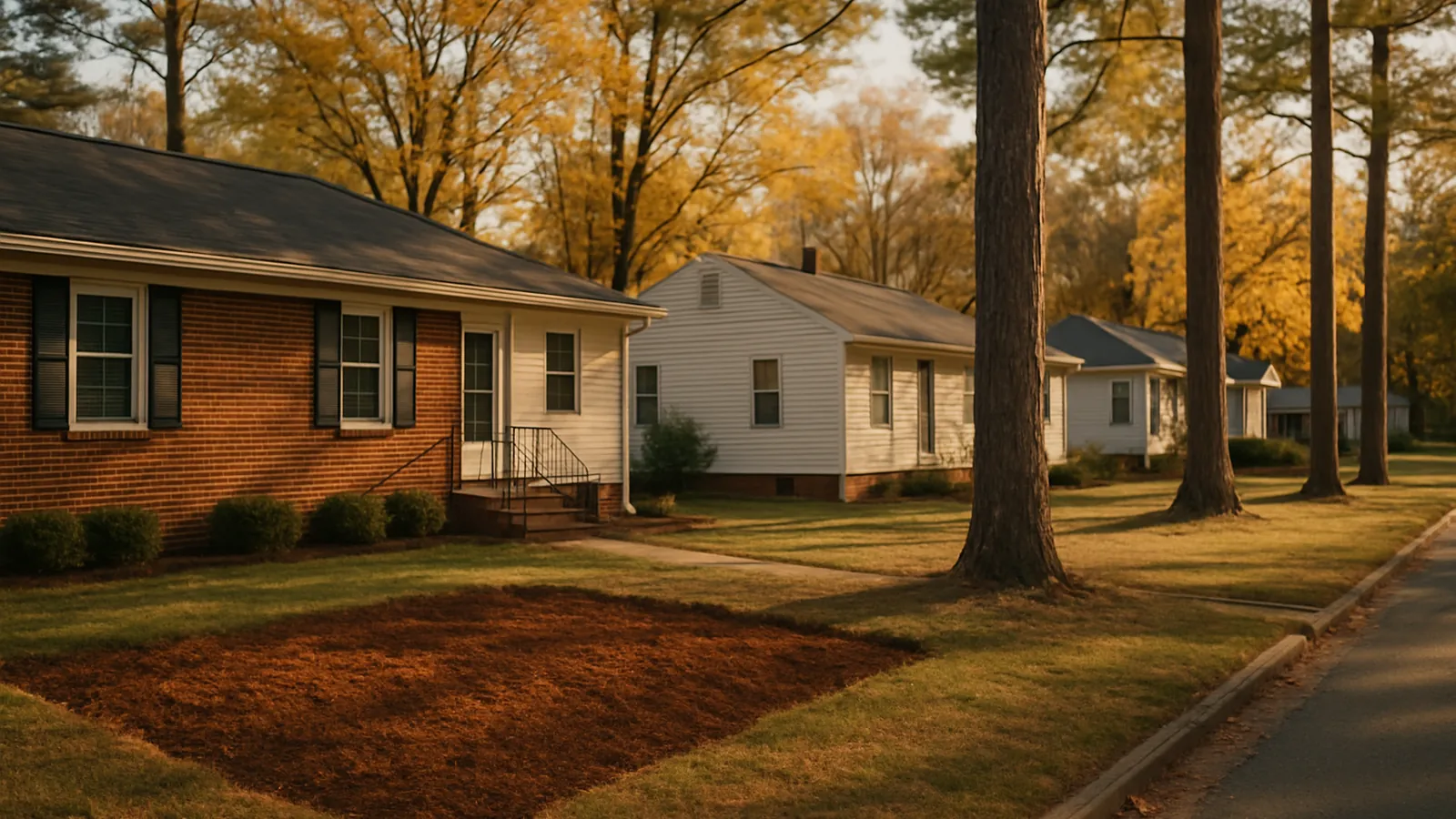
Black mold removal in Wilmington runs $1,500–$6,000 for most homes — the same as any remediation of equal extent, because protocol follows square footage and material, not color. Whole-home or structural work reaches $6,000–$15,000.
What the color actually indicates, why coastal conditions produce it, and what clearance proves.
What “black mold” means and what it doesn’t
The phrase usually points at Stachybotrys chartarum, a dark greenish-black mold that grows on cellulose — drywall paper, wood, cardboard — that has stayed wet for days rather than hours. Finding it tells you something useful: this was not a brief event. What it does not tell you is how dangerous your situation is relative to a lighter colony of the same size, because plenty of unremarkable molds are dark. EPA guidance treats all indoor growth the same way: remove it, and fix the water. We scope the same way.
What actually sets the protocol
| Factor | Why it changes the job | Effect on price |
|---|---|---|
| Affected square footage | Drives containment size and labor | Primary driver |
| Porous vs. hard surface | Drywall and insulation are removed; tile is cleaned | Large |
| Reached framing? | Structural drying, sometimes carpentry | Large |
| Coastal access | Pier crawl spaces and tight beach lots slow everything | Moderate |
| Species / color | Does not change removal protocol | None |
Why the coast produces the conditions
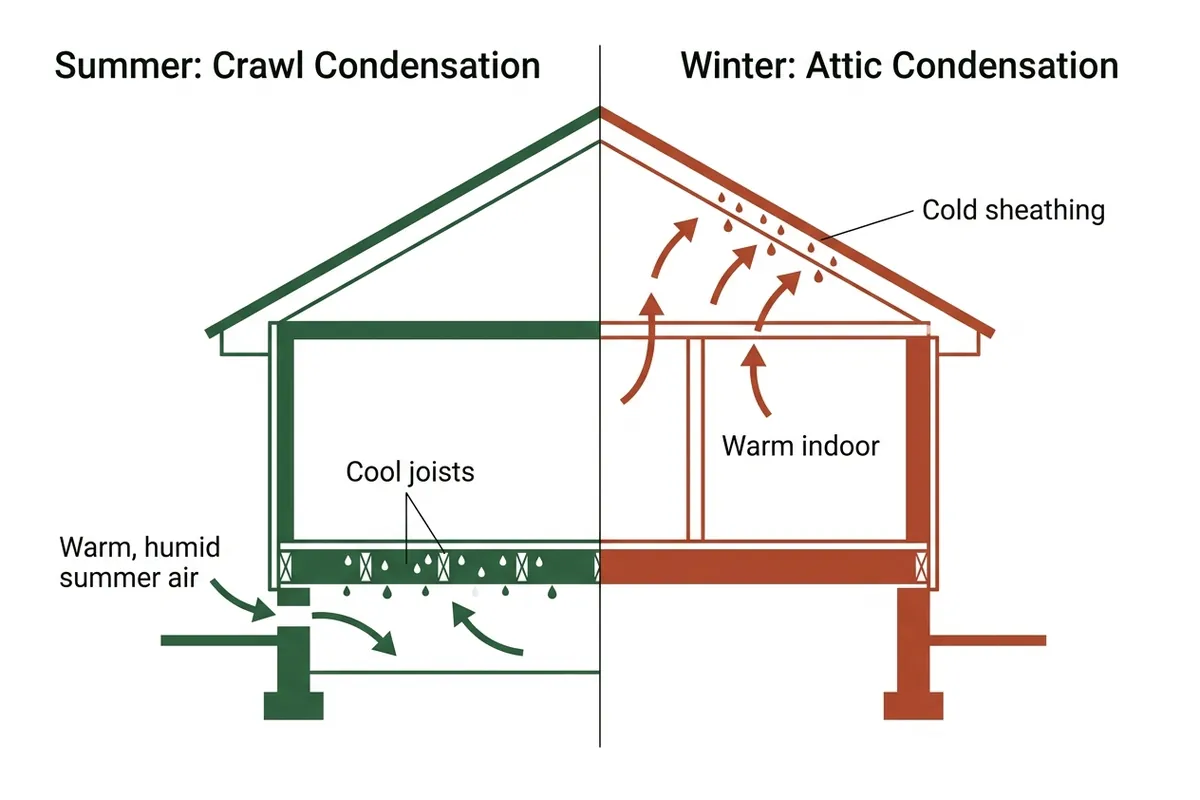
Dark growth on cellulose requires sustained wetting, and Wilmington supplies it without needing a plumbing failure. A dirt crawl space near a high water table releases vapor upward continuously. Salt air holds that moisture on framing rather than letting it evaporate. There is no dry season to interrupt the process. And every few years a tropical system delivers bulk water on top of it — Carolina Beach recorded eighteen inches in a single September 2024 event. Sustained wetting is the default condition here, not the exception.
What clearance testing actually proves
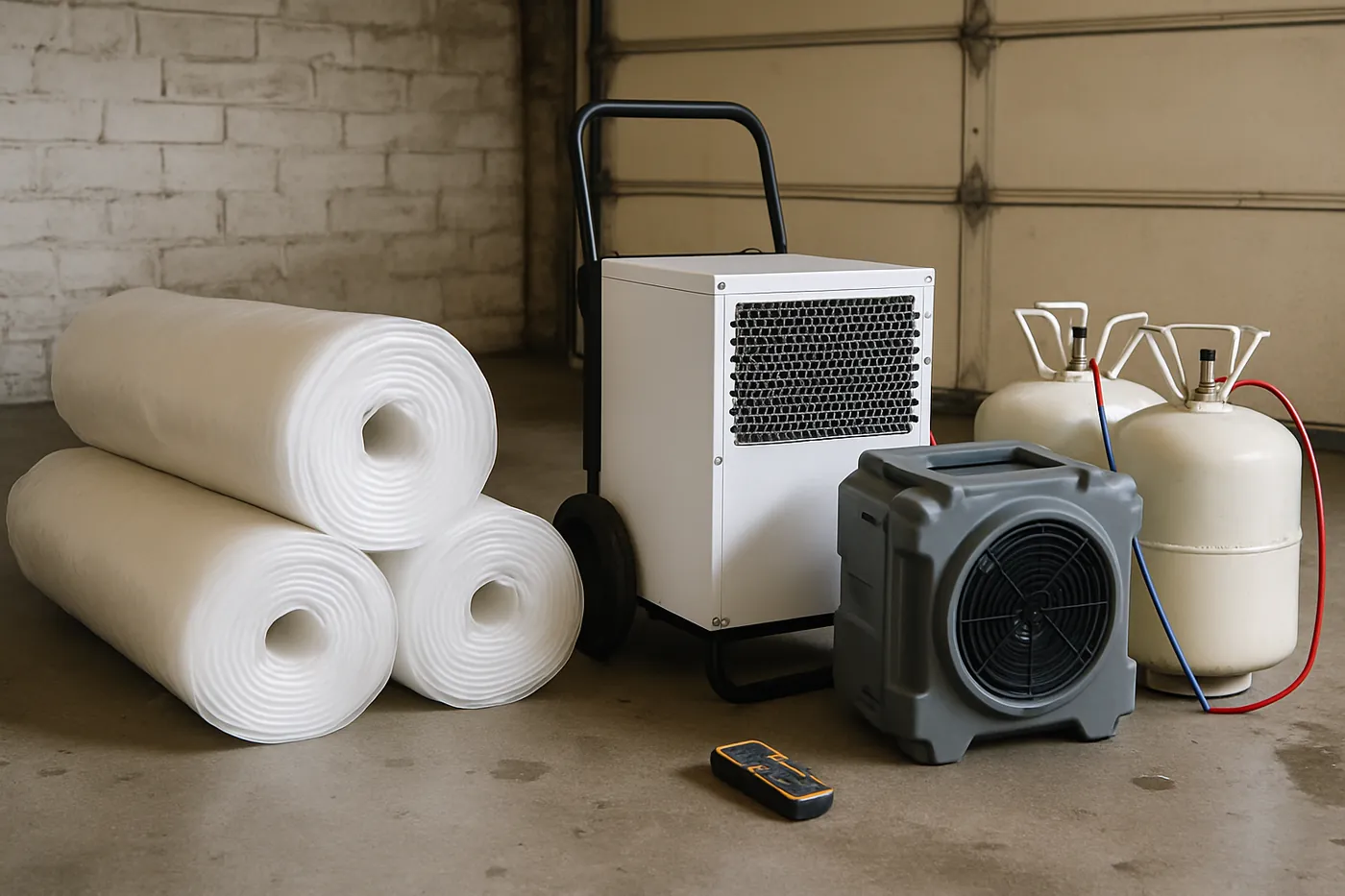
The job is finished when an independent test says the air matches an unaffected part of the house — not when the growth is gone. Post-remediation verification checks three things: the area is visibly clean and dry, containment held, and airborne spore counts sit at or below an outdoor baseline taken the same day. That outdoor comparison is what people miss: spores exist everywhere outdoors, so “zero” is not a standard and anyone promising it is selling something. Have the sampling done by someone who is not doing the removal, and keep the report. North Carolina licenses nobody for this work, so that document is your only real record. Pricing by job class is in the cost guide.
Black mold questions, straight answers
Is black mold more dangerous than other mold?
Not reliably, and the color is a poor guide. Stachybotrys chartarum is the species people mean, and it is one of many that appear dark; plenty of harmless molds are black. The EPA's position is that all indoor growth should be removed regardless of type, which is why we scope by extent and moisture source rather than by color.
Should I pay to have it identified?
Usually not, because the answer rarely changes the work. Protocol is driven by square footage, what material it is growing on, and whether it reached framing. Testing earns its cost when you need documentation for a purchase or an insurance dispute, when a doctor asked for data, or for independent clearance afterward.
What does black mold removal cost in Wilmington?
Most jobs run $1,500-$6,000, the same range as any remediation of comparable extent, with whole-home or structural work reaching $6,000-$15,000. Anyone quoting a premium specifically because the growth is dark is pricing the color rather than the job.
Why is it always in the crawl space here?
Because that is where the conditions concentrate. Dark growth on cellulose means something stayed wet for days rather than hours, and a coastal dirt crawl space near a high water table, with salt air holding moisture on the framing, provides exactly that - continuously, without a leak.
Can I clean it myself?
Under roughly ten square feet on a hard surface with proper protection, yes. Beyond that, or anywhere it has rooted into drywall, insulation, or framing, containment matters - disturbing a colony without negative air pressure distributes it through the house via the HVAC returns.
Get a free Wilmington mold inspection
Tell us what you’re seeing — a musty smell near the floor, dark streaks on attic sheathing, staining on a wall, water standing against the foundation — and we’ll schedule an inspection that goes into the crawl space and the attic. We reply the same business day.