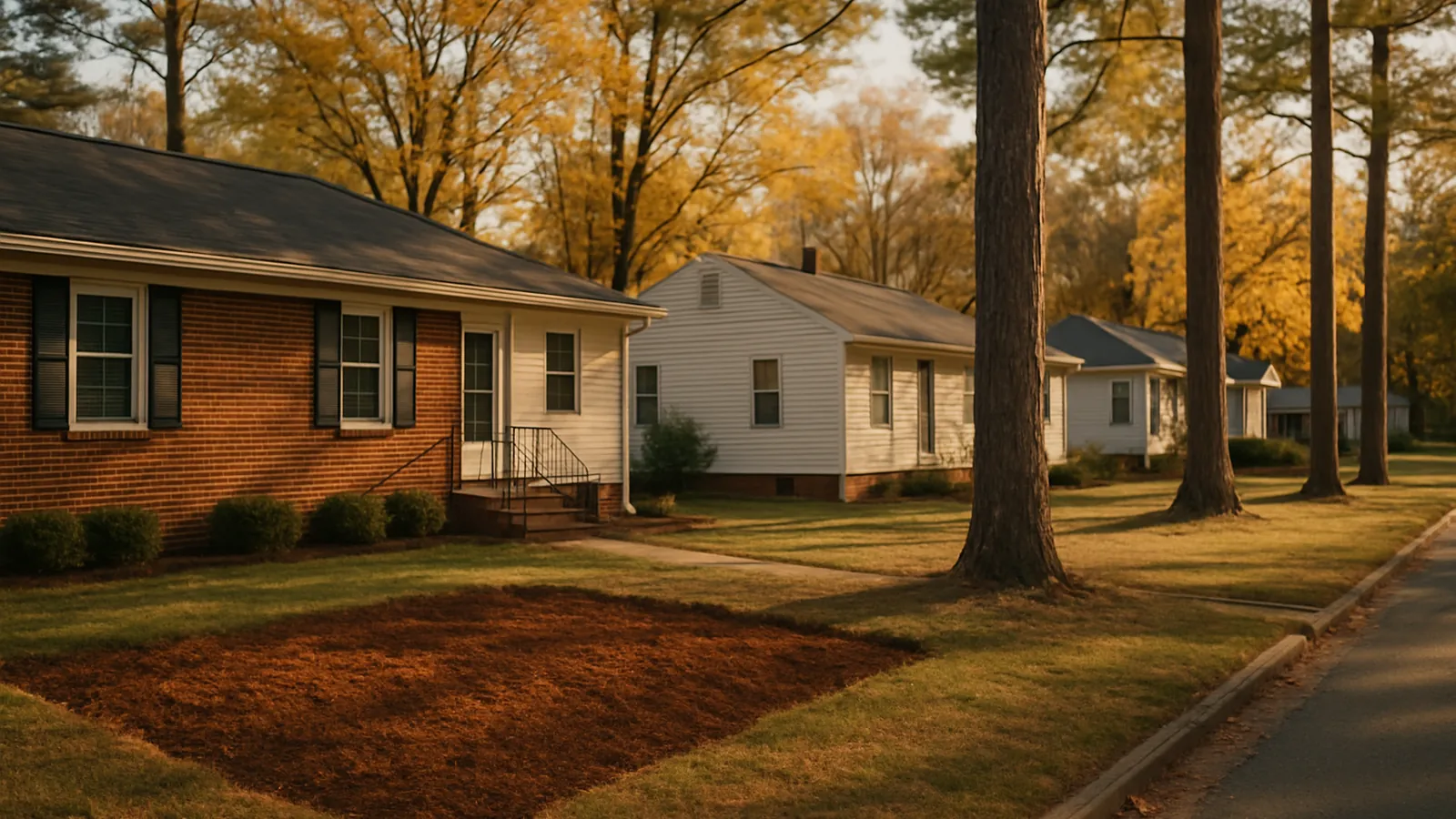
Most Southport mold jobs land between $1,500 and $6,000; coastal crawl space work runs $2,500–$9,000. With no dry season on this coast, the moisture correction is what decides whether it returns.
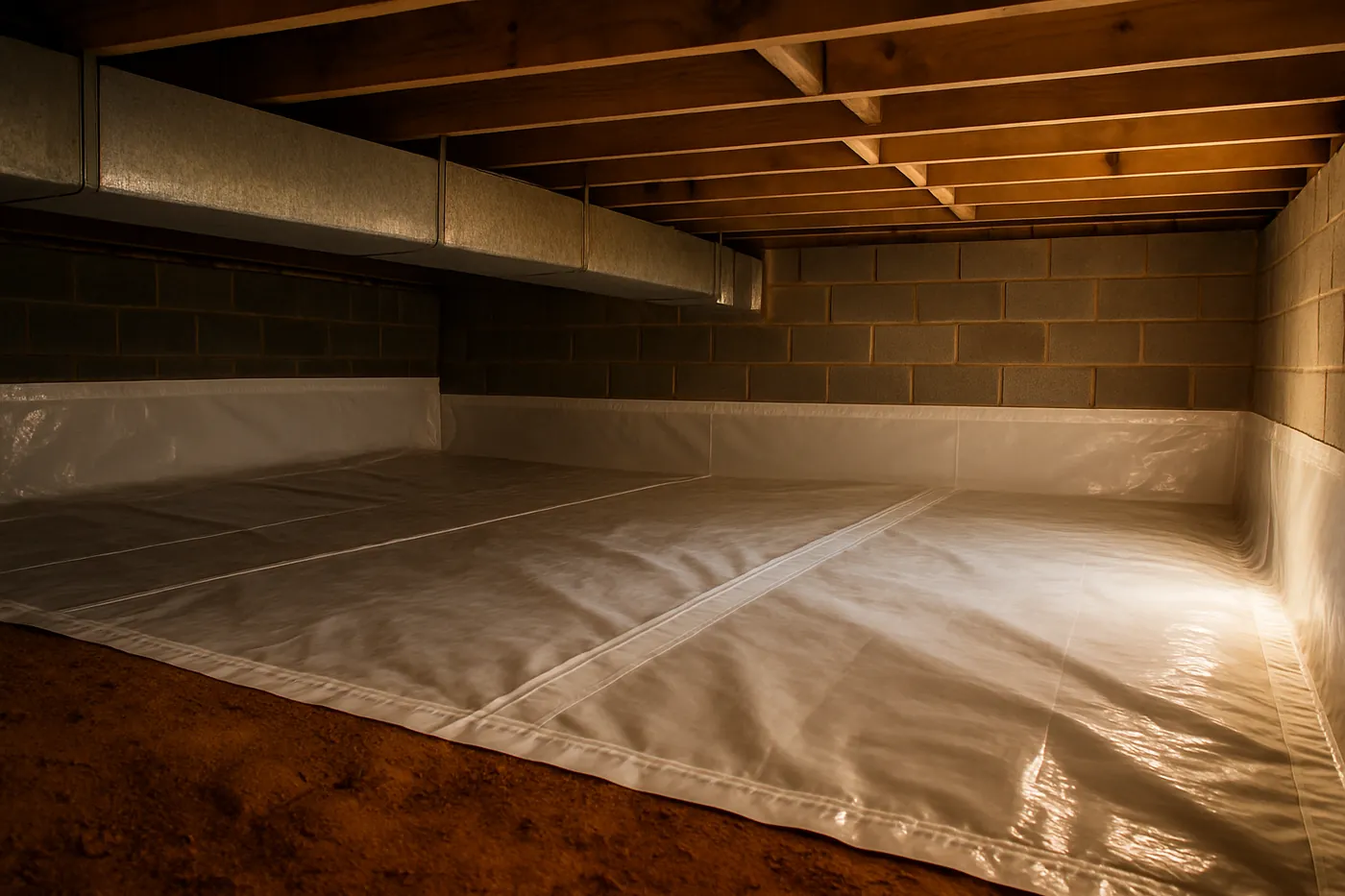
Old houses, full coastal exposure
Southport’s historic core is old by any standard, and those assemblies were built to breathe: permeable materials, generous ventilation, no vapor barriers anywhere. That works until someone adds central air conditioning, which creates cool interior surfaces in a building designed to stay at outdoor temperature.
The result is condensation inside wall cavities that have no drying path — the classic retrofit failure, and one that requires restraint rather than aggressive sealing. Sealing an old permeable wall can trap moisture rather than stopping it.
Salt, wind, and the river mouth
Southport sits where the river meets the ocean, which means full salt exposure and storm vulnerability. Salt-laden air holds moisture against framing and accelerates corrosion on every metal connector in the house. Historic properties here need a moisture strategy, not a moisture product.
What we recommend on historic stock
Measure first, seal cautiously, dehumidify mechanically, and preserve the drying paths the building was designed with. See remediation for how a restrained scope is written.
Asked in Southport
Our historic house has central air now and suddenly has mold. Connected?
Very likely. These buildings were designed to breathe - permeable materials, generous ventilation, no vapor barriers. Adding conditioned air creates cool surfaces inside an assembly with no drying path, and moisture condenses in cavities that were never meant to stay cold.
Should I seal up the old walls?
Cautiously, and rarely aggressively. Sealing an old permeable wall can trap moisture rather than stopping it, which turns a manageable condition into a hidden one. On historic stock the strategy is measurement, restrained sealing, and mechanical dehumidification that respects the building's design.
Is the salt exposure worse here at the river mouth?
It is among the harshest in the service area. Salt-laden air holds moisture against framing and accelerates corrosion on every metal connector. Historic properties here need a moisture strategy rather than a moisture product, and the inspection reads metal as well as wood.
What happens after you call from Southport
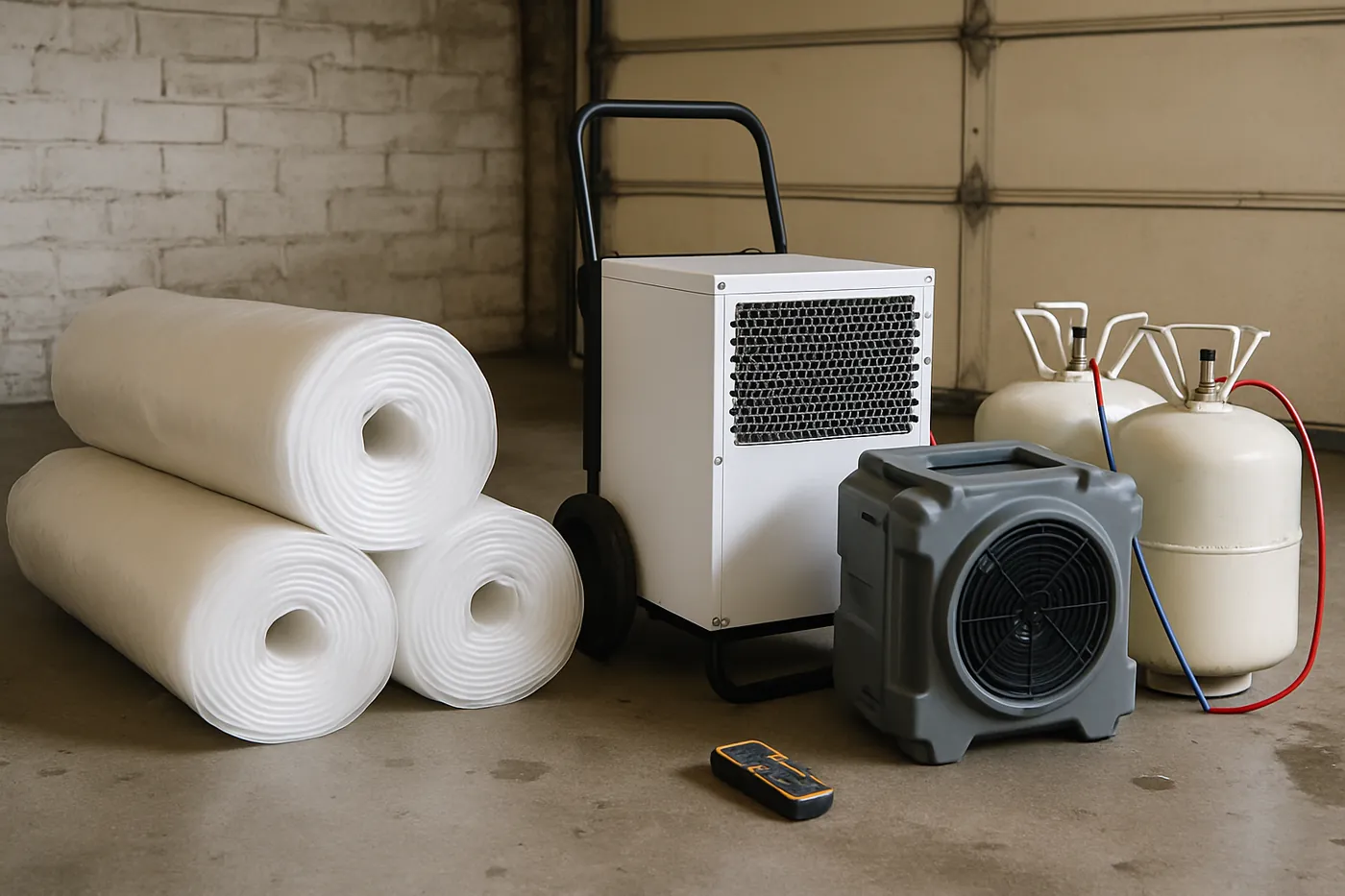
We ask what you are seeing and when it started, then schedule. The visit runs about an hour: exterior water path first, then crawl space and attic with a moisture meter, then the rooms concerning you. Photographs, readings, and fixed prices in writing before anything begins.
Get a free Wilmington mold inspection
Tell us what you’re seeing — a musty smell near the floor, dark streaks on attic sheathing, staining on a wall, water standing against the foundation — and we’ll schedule an inspection that goes into the crawl space and the attic. We reply the same business day.