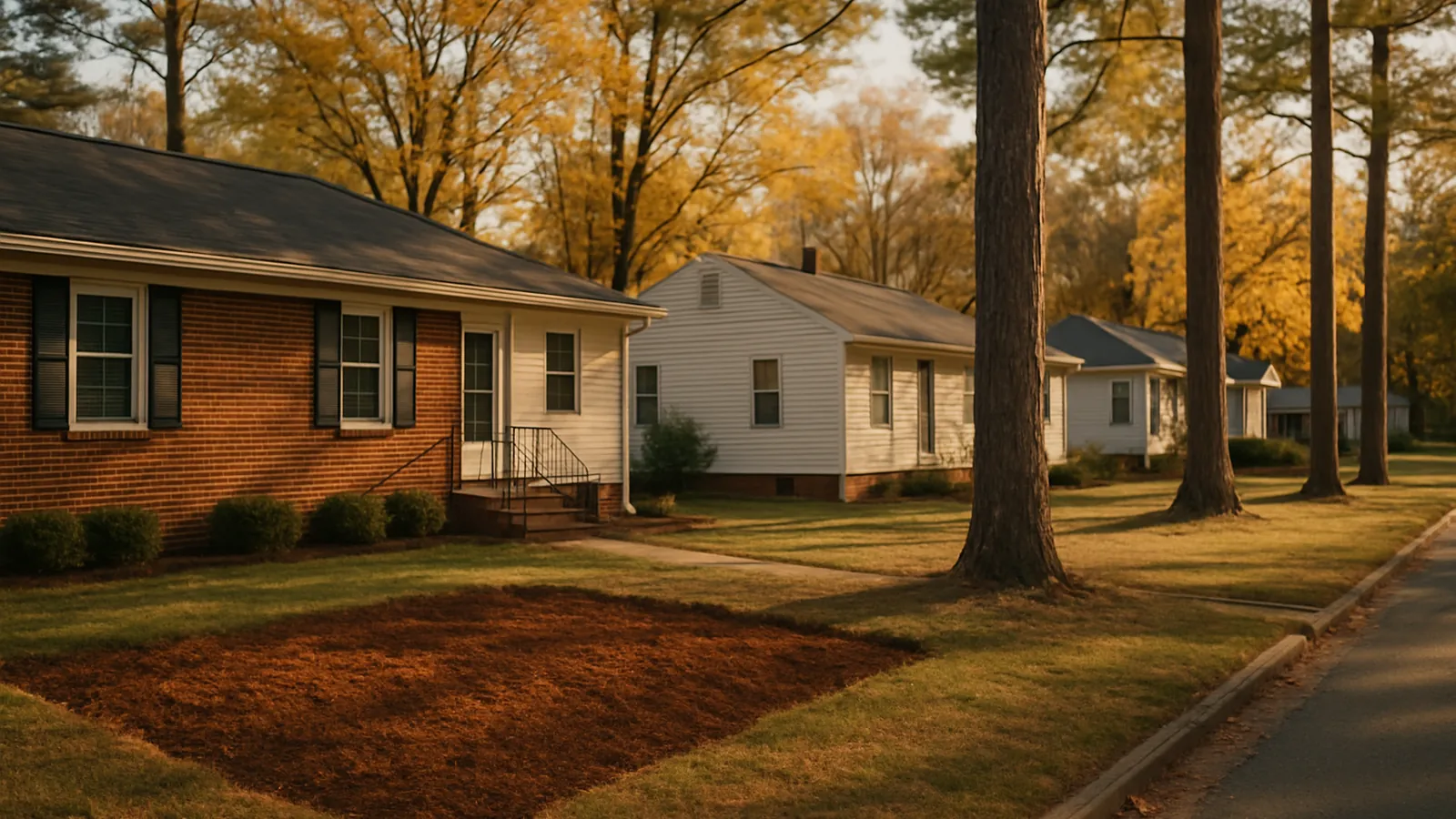
Water damage restoration in Wilmington runs $1,000–$8,000 with same-day extraction and metered drying. Mold establishes within 24–48 hours, and coastal humidity means drying is entirely mechanical — the outside air will not help.
What to do in the first hour, why the coast compresses the timeline, and how storm claims usually fall out.
The first hour, before we arrive
Stop the water at its source if you can reach the valve; if not, shut the main. Kill power to affected circuits at the panel rather than reaching for switches in a wet room. Then photograph everything — wide shots and close-ups, standing water, soaked baseboards, the failed component itself — before anything is moved or mopped. Those photographs are the difference between a smooth claim and an argument, and after a named storm they are the difference between a wind claim and a flood claim. Lift what you can off wet carpet, get air moving if it is safe, and call.
Why this coast compresses the timeline
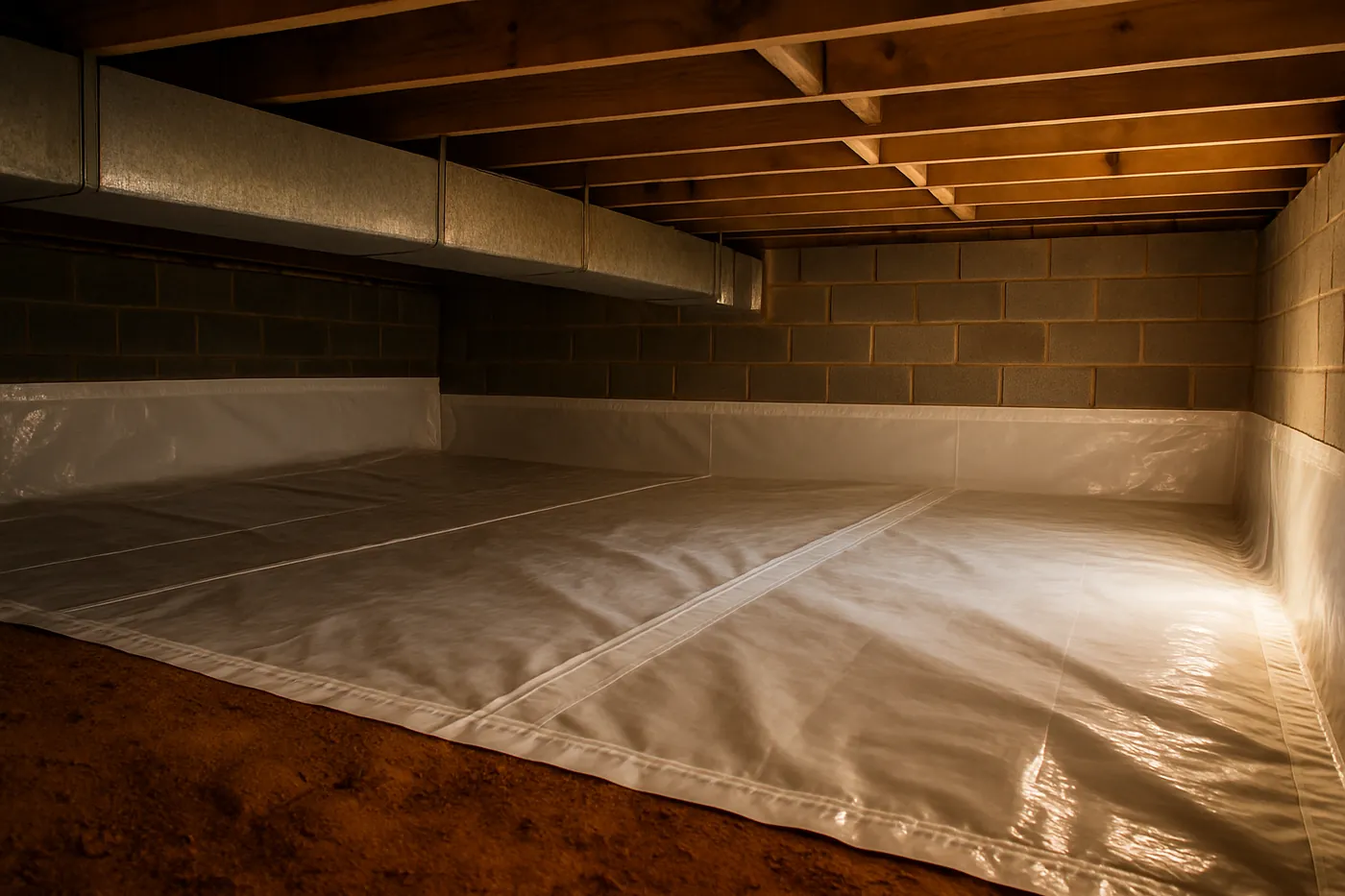
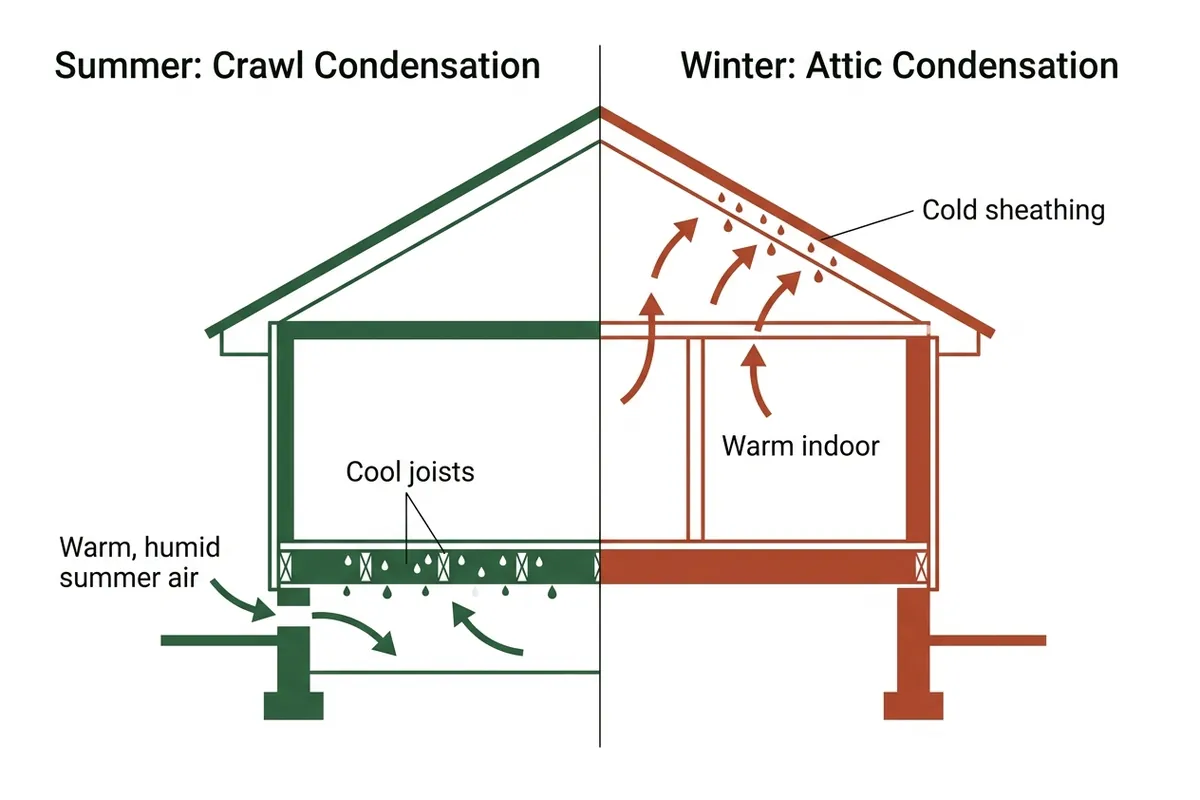
Two local conditions. First, humidity with no dry season: through most of the year the outside air offers no drying capacity at all, so a wet floor stays wet until equipment changes it. Second, the water table — ground moisture sits close to the surface here, so water that reaches a crawl space has nowhere to drain and evaporates upward into the house for weeks. That is why our drying scope frequently extends under the floor even when the visible damage is all upstairs.
The restoration, step by step
| Phase | What happens | Timing |
|---|---|---|
| Extraction | Standing water removed; saturated carpet and pad assessed | Same day |
| Selective demolition | Only what cannot be dried in place — wet insulation, swollen baseboard | Day 1–2 |
| Structural drying | Air movers and dehumidifiers placed to a calculated load | 3–5 days |
| Daily monitoring | Meter readings logged at the same locations each visit | Daily |
| Rebuild or clearance | Materials restored; if growth started, remediation scope | After dry standard is met |
Wind versus flood — the coastal claim question
This is where Wilmington claims are won and lost. Wind-driven rain entering through roofing that a storm damaged is typically a covered peril under a homeowners policy. Flood — storm surge, rising water, water that came in at ground level — is excluded and requires separate NFIP or private flood coverage. The same storm can produce both in the same house, and the documentation you collect in the first hour is what separates them later. Photograph the water line, note whether water entered from above or below, and keep the roofer’s report if there was damage overhead.
When drying becomes mold removal
The point of moving fast is to keep this from becoming another page. Dried inside the window, a water event costs extraction and equipment and ends. Past it, the same event becomes a mold removal with containment, disposal, and rebuild — frequently three to four times the number. If growth has already started when we arrive we will say so plainly and scope both phases in one document, rather than surprising you with a second quote in week two.
Water damage questions, straight answers
How fast do I need to act after water damage?
Mold can establish within 24 to 48 hours, so the clock starts when the water does. Extraction the same day, drying equipment immediately after. On this coast that window is tighter in practice, because the outside air offers no drying help at all - a wet floor stays wet without equipment.
What does water damage restoration cost in Wilmington?
Most jobs run $1,000-$8,000. Clean water from a supply line caught quickly sits at the low end. The number climbs with volume, how long it sat, how much material absorbed it, and whether the water was clean, gray, or storm-borne - the last one changes the protocol.
Is storm flooding covered by homeowners insurance?
Usually not. Flood - including storm surge and rising water - is excluded from standard homeowners policies and requires separate NFIP or private flood coverage. Wind-driven rain entering through storm-damaged roofing is frequently covered. That distinction decides most coastal claims, so document which one happened.
Do I have to leave the house?
Usually not. Drying equipment is loud and warm and runs continuously for days; most families stay and work around it. If the affected area includes the only bathroom or kitchen, or if the water was contaminated, staying elsewhere for a few nights is the reasonable call.
How do you know when it is actually dry?
Meters, at documented locations, on a schedule. Materials have target moisture contents and we read to those numbers rather than to a feeling. You get the readings. A crew that pulls equipment because it looks dry is leaving you a mold job inside the walls.
Get a free Wilmington mold inspection
Tell us what you’re seeing — a musty smell near the floor, dark streaks on attic sheathing, staining on a wall, water standing against the foundation — and we’ll schedule an inspection that goes into the crawl space and the attic. We reply the same business day.