
Homeowners insurance covers Wilmington mold removal when it follows a sudden covered discharge — a burst line or wind-driven rain through storm-damaged roofing — usually up to a mold sublimit of $5,000–$10,000. Flood and humidity are excluded. Out of pocket runs $1,500–$6,000.
Wind versus flood, the sublimit that caps everything, and the file that decides a coastal claim.
Wind versus flood — the coastal dividing line
Every other question is downstream of this one. Wind-driven rain entering through roofing that a storm damaged is a covered peril under a standard homeowners policy, and mold that follows it is frequently covered too, within the sublimit. Flood — storm surge, rising water, anything that entered at ground level — is excluded entirely and requires separate NFIP or private flood coverage. The uncomfortable part is that a single storm routinely produces both in the same house: water through a lifted shingle upstairs and water across the threshold downstairs. Which one your adjuster credits depends almost entirely on what you documented in the first hour.
Covered or excluded — the usual verdicts
| What happened | Typical outcome | What decides it |
|---|---|---|
| Burst supply line, water heater, appliance hose | Usually covered, to the sublimit | Sudden and accidental |
| Storm damaged the roof, rain entered | Usually covered | Covered peril created the opening |
| Storm surge or rising water | Excluded — NFIP territory | Flood is a separate policy |
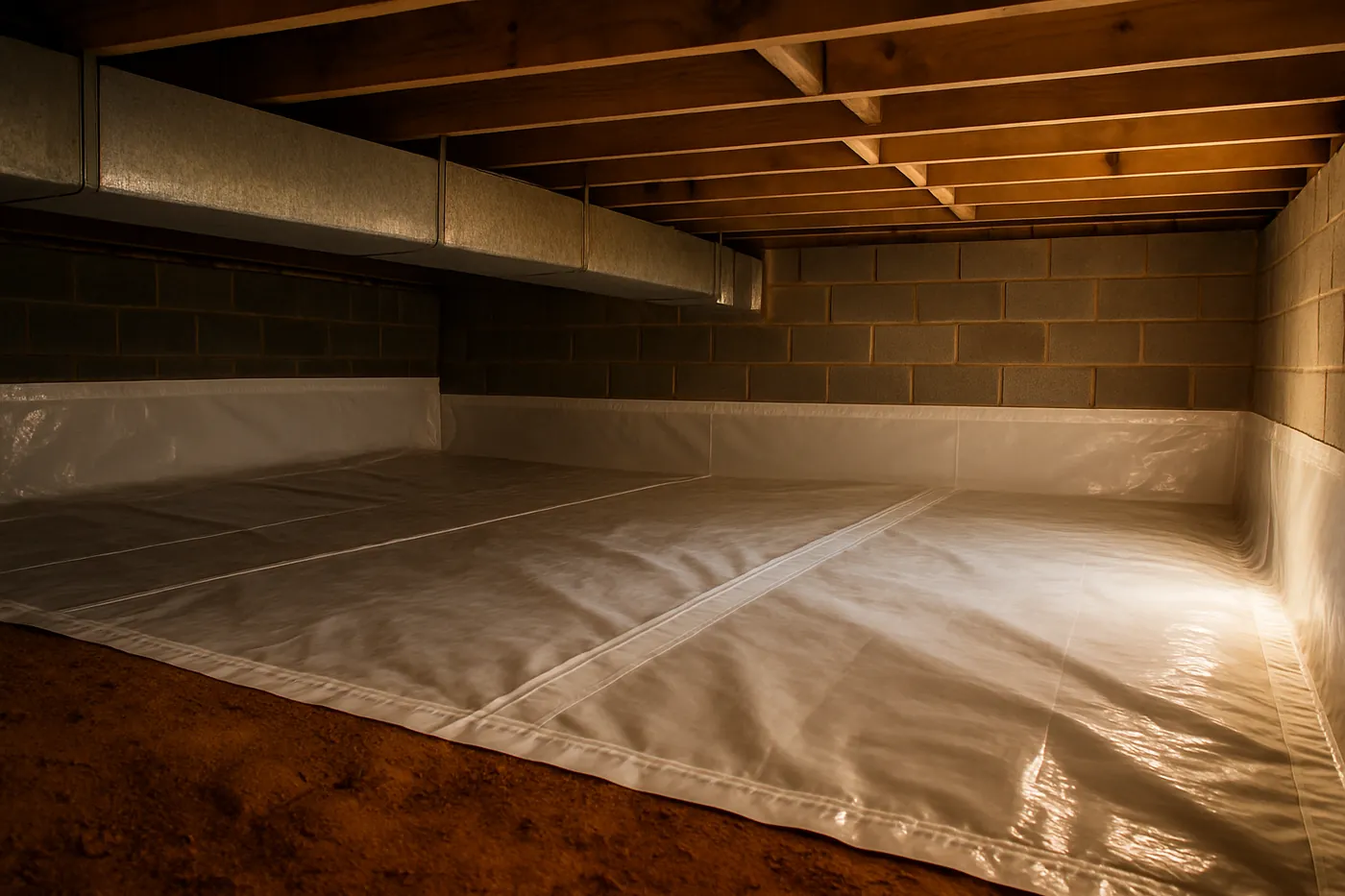
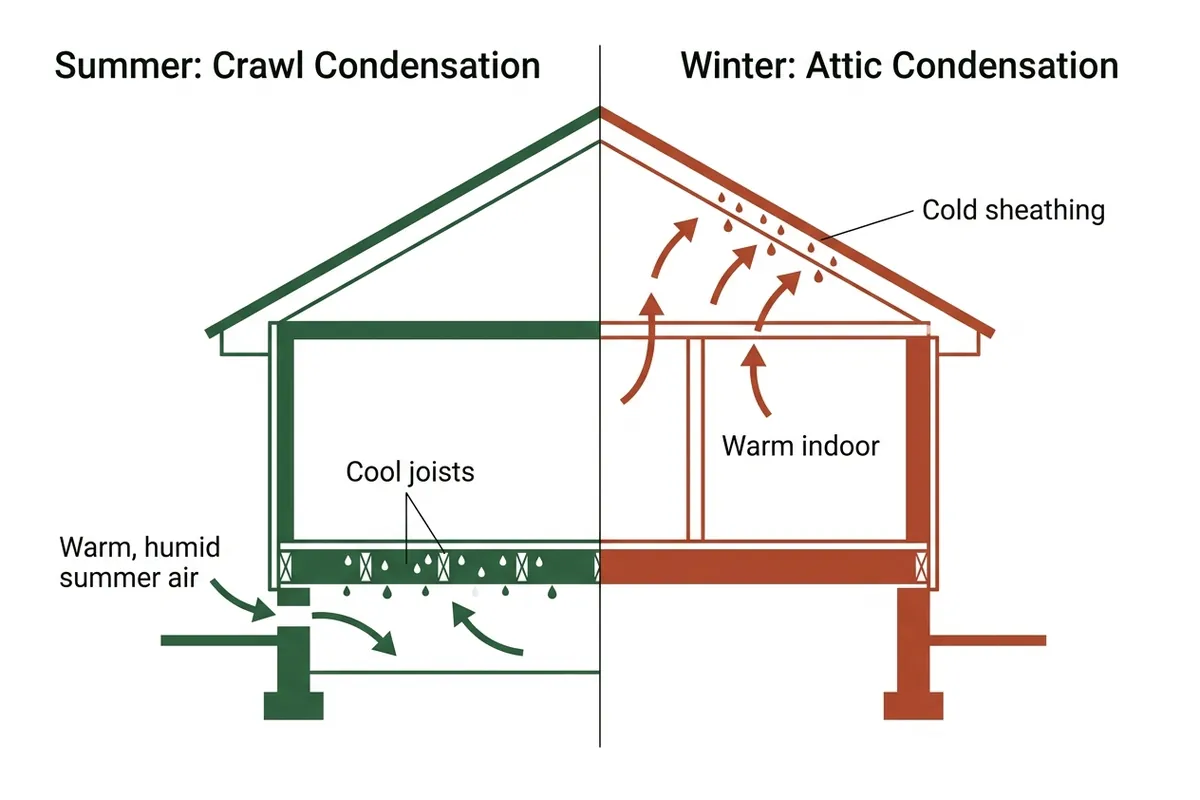
| Crawl space humidity, bare ground | Excluded | Maintenance / gradual condition |
| Slow leak found months later | Contested, often denied | Whether “sudden” survives the evidence |
| AC condensate overflow | Varies | Sudden failure vs. neglected maintenance |
Build the file before you call anyone
Claims are decided on evidence with a short shelf life, because everyone’s first instinct is to clean up. Before that: photograph the standing water, the soaked material, and the failed component from several angles. Photograph the water line on the wall — that single image is what separates a wind claim from a flood claim months later.
Keep the failed part in a bag; it is the most persuasive object in a disputed claim. Note the date and time you discovered it and what you did in the first hour, because carriers expect mitigation and will reduce a claim you let sit. Then get drying started — waiting for an adjuster before extraction can cost you the claim you were protecting. Our restoration scope includes the moisture logs adjusters ask for.
If the denial letter comes back
A denial is a position, not a verdict. Ask the carrier in writing for the exact policy language it relied on, then argue causation rather than mold — mold is nearly always excluded on its own, but mold resulting from a covered discharge frequently is not. The evidence that moves these claims is a timeline: when it started, when it was found, what you did that day, backed by dated photographs, the roofer’s or plumber’s invoice, and moisture readings. If the carrier stops engaging, the North Carolina Department of Insurance takes consumer complaints and carriers answer them. Watch the policy’s suit-limitation clause the whole time — on coastal storm claims it is frequently the deadline, not the merits, that ends the argument.
Insurance questions, straight answers
Does homeowners insurance cover mold removal in North Carolina?
Sometimes, and the deciding question is what caused the water. Mold following a sudden covered discharge - a burst supply line, a failed water heater, wind-driven rain through storm-damaged roofing - is frequently covered up to the policy's mold sublimit. Mold from humidity, seepage, or flooding is almost always excluded.
What is the difference between wind damage and flood here?
It decides most coastal claims. Wind-driven rain entering through roofing a storm damaged is typically covered by homeowners. Flood - storm surge, rising water, anything that came in at ground level - is excluded and requires separate NFIP or private flood coverage. The same storm can produce both in one house.
What is a mold sublimit?
A separate, smaller cap that applies to mold specifically even when the underlying water loss is covered. Common sublimits run $5,000 to $10,000, which matters because whole-home or structural jobs can exceed that. Find yours before you file - it is usually under 'fungi, wet or dry rot, or bacteria.'
Will filing raise my premium or risk non-renewal?
Worth asking your agent first, and it is a real consideration on this coast where carriers have been re-underwriting aggressively. A denied claim still records as a claim. That argues for filing when a covered peril caused the damage and you have documentation, and against filing hopefully.
What does mold removal cost when insurance says no?
Most residential remediation runs $1,500-$6,000 out of pocket, with whole-home or structural work at $6,000-$15,000. We write scopes that can be phased where budget requires - stop the water and seal the ground first, then remediate - because on this coast the moisture half is what keeps the bill from returning.
Get a free Wilmington mold inspection
Tell us what you’re seeing — a musty smell near the floor, dark streaks on attic sheathing, staining on a wall, water standing against the foundation — and we’ll schedule an inspection that goes into the crawl space and the attic. We reply the same business day.